Birdwatching in Costa Rica: What Agents Need to Know
Birdwatching in Costa Rica:
What Agents Need to Know
Over 900 species in a country smaller than West Virginia. Why birding clients are some of the most valuable — and how to sell Costa Rica to them.
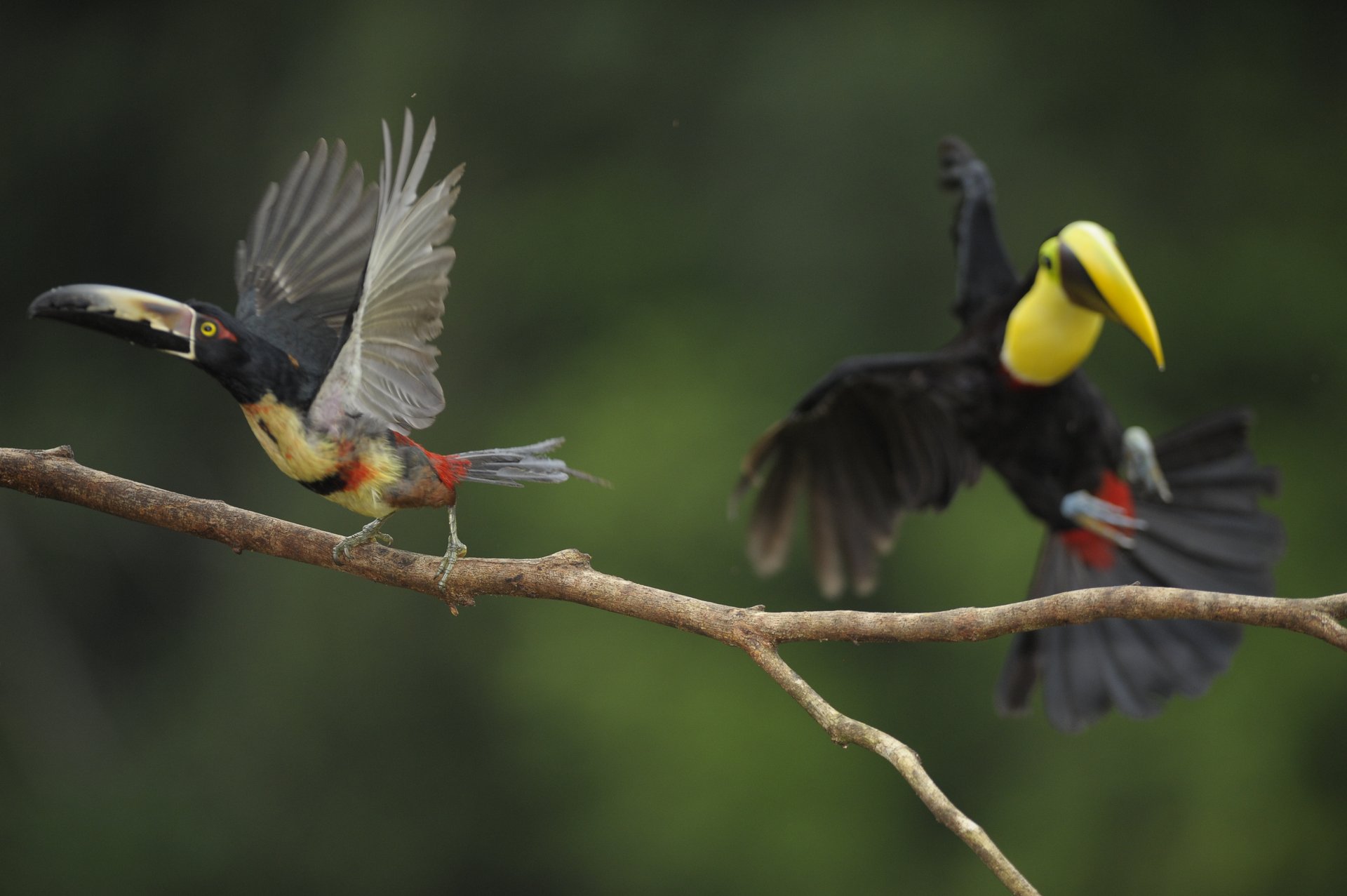
Costa Rica is one of the top five birdwatching destinations in the world. That statement is not marketing — it is a function of geography. The country sits at the intersection of two continents, with Pacific and Caribbean coastlines, high-altitude cloud forest, lowland rainforest, and dry tropical forest all within a few hours of each other. The result is a species list that exceeds most countries ten times its size. Serious birders know this. The opportunity for agents is the semi-serious birder who doesn’t yet.
Birding clients tend to be well-travelled, well-researched, and willing to spend on specialist guides and specific lodges. They are also loyal — a well-run birding trip generates repeat bookings and referrals within birding communities. We handle specialist guide arrangements for all CRS birding itineraries.
The Numbers
Costa Rica has recorded over 900 bird species — roughly 10% of all bird species on earth — in a country the size of West Virginia or Denmark. For context: the entire European continent has around 750 breeding species. The UK has 630. A serious birder doing 10–14 days in Costa Rica with a specialist guide will typically record 300–500 species depending on the season and route. A casual birder who simply has their eyes open will still see 50–100 species on a standard circuit without trying.
Key Birding Regions
San Gerardo de Dota — Resplendent Quetzal
TARGET: Resplendent Quetzal, Silky Flycatcher, Volcano Junco
This high-altitude valley (2,200m) is the most reliable site in the world to see the Resplendent Quetzal — often cited as the most beautiful bird in the Americas. February to April is the nesting season: males display metre-long tail feathers and feed on wild avocados in roadside trees. An early morning in March is one of the defining moments in Central American birding. 2.5h from San José, easily combined with a larger circuit.
Monteverde Cloud Forest
TARGET: Three-Wattled Bellbird, Bare-necked Umbrellabird, Resplendent Quetzal, 400+ species
The cloud forest at 1,400m is famous for the Three-Wattled Bellbird — a loud metallic clonk that carries across the forest canopy. Also one of the best sites for Quetzal outside Dota. Hummingbird feeders at most Monteverde lodges attract 10–15 species including Violet Sabrewing, one of the largest hummingbirds in the world. Serious birders need 3–4 nights here.
Sarapiquí / La Selva Lowlands
TARGET: Great Green Macaw, Sunbittern, antbirds, manakins, 450+ species
La Selva Biological Station near Puerto Viejo de Sarapiquí is one of the most studied tropical forest sites in the world. Great Green Macaw — more endangered and harder to see than its Scarlet cousin — is regularly recorded here. Lowland species are completely different from highland sites: antbirds, woodcreepers, manakins (including the White-collared Manakin with its distinctive wing-snapping display), and dozens of tanager species. Can be combined with Arenal as a 2-night stop.
Osa Peninsula / Corcovado
TARGET: Harpy Eagle, Scarlet Macaw, all 4 toucans, 400+ species
Corcovado National Park contains some of the most intact primary rainforest in Central America. All four Costa Rican toucan species are present. Scarlet Macaws fly in large flocks at the park entrance. Harpy Eagle — the largest eagle in the Americas — is recorded here with regularity. The park permits and logistics are handled by CRS for every booking.
Carara National Park
TARGET: Scarlet Macaw, Boat-billed Heron, trogons, riverside species
Carara sits at the transition zone between dry Pacific forest and humid lowland forest, creating an unusual mix of species. The most accessible site for Scarlet Macaw — at dusk, large flocks fly overhead to roost and the noise is remarkable. 1.5h from San José, making it a practical half-day stop en route to Manuel Antonio.
Birding Calendar
| Months | Highlights | Best Region |
|---|---|---|
| Feb – Apr | Resplendent Quetzal nesting (peak display) | San Gerardo de Dota, Monteverde |
| Mar – May | Migrants departing — highest species diversity | Nationwide |
| Apr – Jun | Breeding activity across resident species | All habitats |
| Aug – Oct | Northbound migrants arriving, shorebirds | Pacific coast, wetlands |
| Dec – Feb | Winter residents established, Quetzal pre-display | Highlands |
| Year-round | Scarlet Macaw, toucans, hummingbirds, tanagers | Nationwide |
Guides and Equipment
The quality of the guide makes or breaks a birding trip. We work with a small network of licensed specialist naturalist guides who focus exclusively on birding, carry their own scopes, and know the specific sites intimately. A general nature guide and a specialist birding guide are not interchangeable — for serious birders, the guide is the most important logistical decision in the itinerary.
We arrange guide bookings for all CRS birding itineraries. Clients should bring their own binoculars (8×42 or 10×42 recommended). eBird is widely used — looking at recent sightings from target sites before travel helps set realistic expectations.
How to Sell It
The clients who respond to a birding-focused Costa Rica pitch are not always the ones who identify as “birders.” Many are travellers interested in wildlife generally who have never had a guide take them specifically for birds. A morning with a specialist guide — seeing 60 species before breakfast, having the Quetzal pointed out in a cloud forest tree — converts casual wildlife observers into birders on the spot. Worth mentioning to any client who expresses interest in wildlife but hasn’t specifically asked about birding.
Birding enquiry?
Tell us the client’s experience level, target species if any, and how many days are available — we’ll design the route and confirm specialist guide availability.
The Numbers
- 900+ species recorded
- ~10% of all bird species on Earth
- 300–500 species per 10–14 day specialist trip
- 50–100 species for casual observers
Top Target Species
- Resplendent Quetzal
- Scarlet & Great Green Macaw
- Three-Wattled Bellbird
- Harpy Eagle (Osa)
- Violet Sabrewing hummingbird
- White-collared Manakin
Best Season
- Feb–Apr: Quetzal nesting — best of year
- Mar–May: Highest species count (migrants)
- Dec–Jan: Winter residents in place
- Year-round viable for non-specialists
Key Regions
- San Gerardo de Dota — Quetzal
- Monteverde — cloud forest specialists
- Sarapiquí / La Selva — lowland forest
- Osa / Corcovado — primary rainforest
- Carara — Scarlet Macaw